

An X-ray technician plays an important role in diagnostic healthcare by helping produce radiographic images that doctors use to examine bones, organs and internal structures. For students in Pune who are interested in medical technology but do not want to pursue a conventional medical degree, an X-Ray technician course can provide a focused pathway into the healthcare sector.
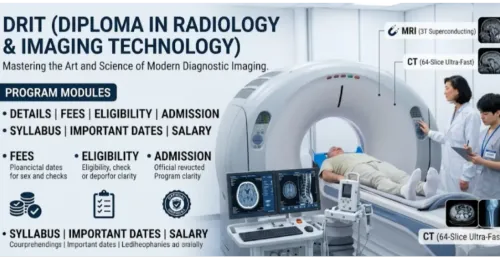
The course introduces students to radiographic equipment, patient positioning, image production, radiation safety and basic anatomy. The exact syllabus varies according to the program and awarding body, but most courses combine classroom instruction with practical training.
Students generally learn about
- Human anatomy and physiology
- Fundamentals of radiography
- Radiographic positioning
- Medical terminology
- Imaging equipment
- Radiation protection
- Patient preparation and communication
- Infection-control practices
- Darkroom or digital image-processing procedures
- Healthcare ethics and professional conduct
One of the most important responsibilities of an X-ray technician is positioning the patient correctly. A technically accurate image helps the reporting doctor examine the required anatomical area. Incorrect positioning can affect image quality and may require the procedure to be repeated. Students therefore need practical exposure that helps them understand positioning techniques for different examinations.
Radiation safety is another essential part of X-Ray education. Learners should understand the principles of exposure control, protective equipment, restricted areas and safe equipment operation. These practices help protect patients, technicians and other healthcare workers.
Students exploring an X-Ray technician course in Pune should evaluate more than the course title. The learning environment, equipment access, teaching approach and clinical exposure can significantly influence skill development. Before enrolling, candidates can ask the institute the following questions
- What qualification will be awarded after completion?
- What is the course duration?
- Is practical training included?
- Which imaging procedures are covered?
- Does the institute provide access to relevant equipment?
- Are clinical visits or internships available?
- What are the eligibility and attendance requirements?
- Is the qualification accepted for the student’s intended employment or further study?
Career opportunities may be available in diagnostic centres, hospitals, orthopaedic facilities, imaging clinics and healthcare institutions. Actual eligibility for a role depends on the qualification, employer requirements, practical experience and applicable regulations.
Pune has a broad healthcare ecosystem that includes multispeciality hospitals, diagnostic facilities and specialist clinics. Students from Pune, Pimpri-Chinchwad and other parts of Maharashtra may therefore find the city suitable for building exposure to different healthcare environments.
Successful radiography professionals need more than technical knowledge. They must communicate calmly with patients, follow instructions accurately and maintain confidentiality. Attention to detail is particularly important because image quality can be affected by positioning, movement and equipment settings.
Students should also be prepared to work with patients who are experiencing pain, limited mobility or anxiety. A patient-centred approach can make the imaging process safer and more comfortable.
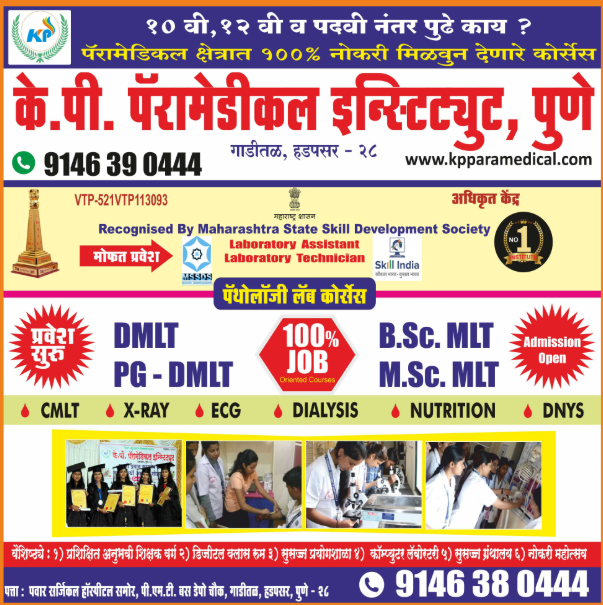
KP Paramedical Institute PCMC offers healthcare-oriented training options for students considering technical roles in diagnostic services. Candidates should review the current X-Ray program structure, eligibility conditions and practical components directly with the institute before making an admission decision.
An X-Ray technician course can be a suitable choice for students who are comfortable working with medical equipment, interested in anatomy and willing to follow strict safety procedures. Comparing programs carefully helps candidates choose training that supports both technical understanding and responsible patient care.