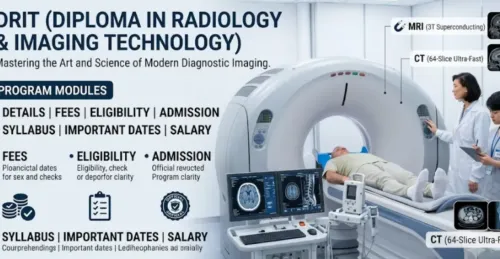


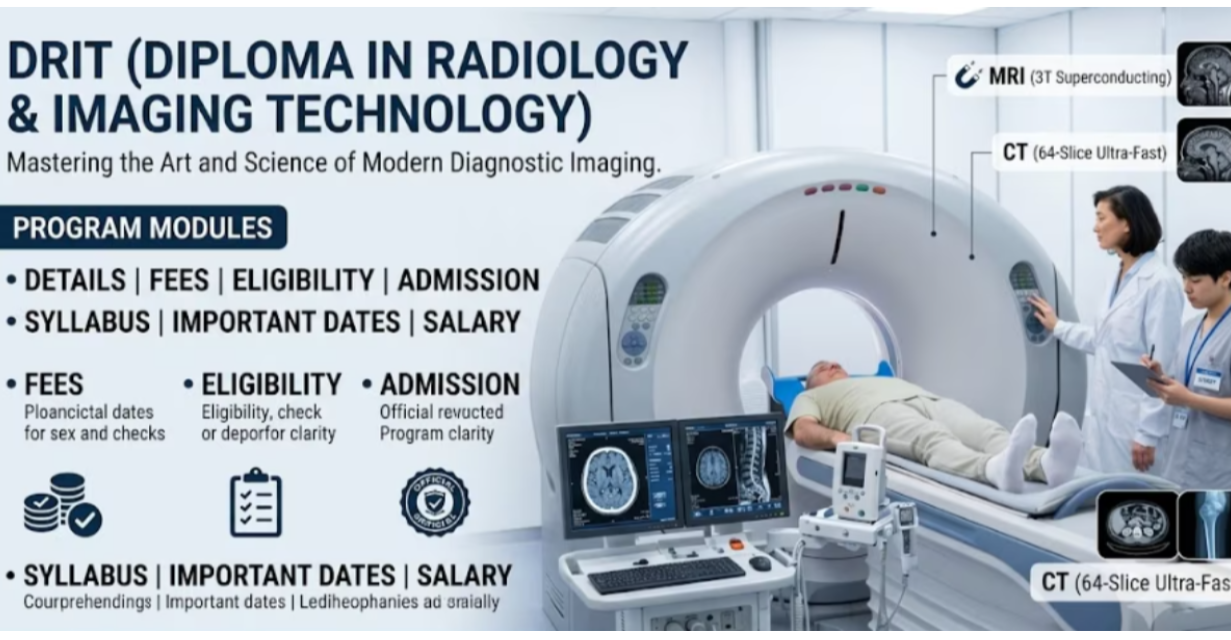
Not every healthcare career centres on laboratory samples or bedside care. Some students are more interested in equipment, anatomy and image-based diagnostic support. For them, Radiology and Imaging Technology programs can provide an entry point into a technical area of healthcare.
KP Paramedical Institute helps students in PCMC explore imaging technology education and understand the abilities required in diagnostic environments. Choosing this field should be based on personal suitability as well as career interest.
Who May Find Imaging Technology Suitable?
Radiology and imaging technology may appeal to students who:
- Enjoy studying human anatomy
- Are interested in medical equipment
- Can follow precise instructions
- Feel comfortable interacting with patients
- Pay attention to small details
- Understand the importance of safety
- Can work calmly in clinical environments
- Are prepared for practical training
The work requires a balance of technical accuracy and patient communication.
How Imaging Skills Are Used
Imaging personnel help obtain diagnostic images according to prescribed procedures and under the appropriate clinical supervision. Their responsibilities may include preparing the equipment, confirming patient information, assisting with positioning and maintaining documentation.
The images are reviewed and interpreted by appropriately qualified medical professionals. Imaging technicians do not independently provide diagnoses to patients.
What Students May Learn
A Radiology and Imaging Technology program may introduce learners to:
- Anatomy and physiology
- Radiographic imaging principles
- X-ray equipment
- Patient positioning
- Image formation
- Radiation physics
- Radiation protection
- Patient preparation
- Infection-control practices
- Departmental documentation
- Professional ethics
- Emergency awareness
Some curricula may provide introductory information about CT, MRI and other imaging methods. Students should confirm whether these subjects are covered through theory, demonstration or supervised clinical exposure.
A Readiness Guide for Applicants
Before selecting this field, ask yourself:
Can I communicate with patients respectfully?
Patients may be anxious, injured or unable to move comfortably. Clear instructions and patience are essential.
Can I follow safety procedures without shortcuts?
Imaging departments use defined protocols to protect patients and personnel. Consistency is necessary.
Am I comfortable with technical subjects?
Students need to understand equipment, image formation and basic radiation physics.
Can I work as part of a clinical team?
Imaging personnel coordinate with doctors, nurses and other technical professionals.
Am I prepared for shifts?
Hospitals and emergency departments may require technical staff beyond standard daytime hours.
Frequently Asked Questions
Does the program make students experts in all imaging systems?
No. The level of competence depends on the curriculum, equipment exposure, supervised practice and additional specialised training.
Why is radiation safety important?
It helps minimise unnecessary exposure and supports the safe use of ionising radiation.
What should students verify before admission?
They should check eligibility, recognition, syllabus, equipment, clinical exposure, internship arrangements and total fees.
Imaging Education in PCMC
PCMC is connected to a broad healthcare network across Pune and Maharashtra. Students may find imaging-related career opportunities in hospitals, diagnostic centres and speciality clinics, subject to qualification and recruitment requirements.
Prospective learners can approach KP Paramedical Institute for details about the current Radiology and Imaging Technology program, practical training and admission procedure.