

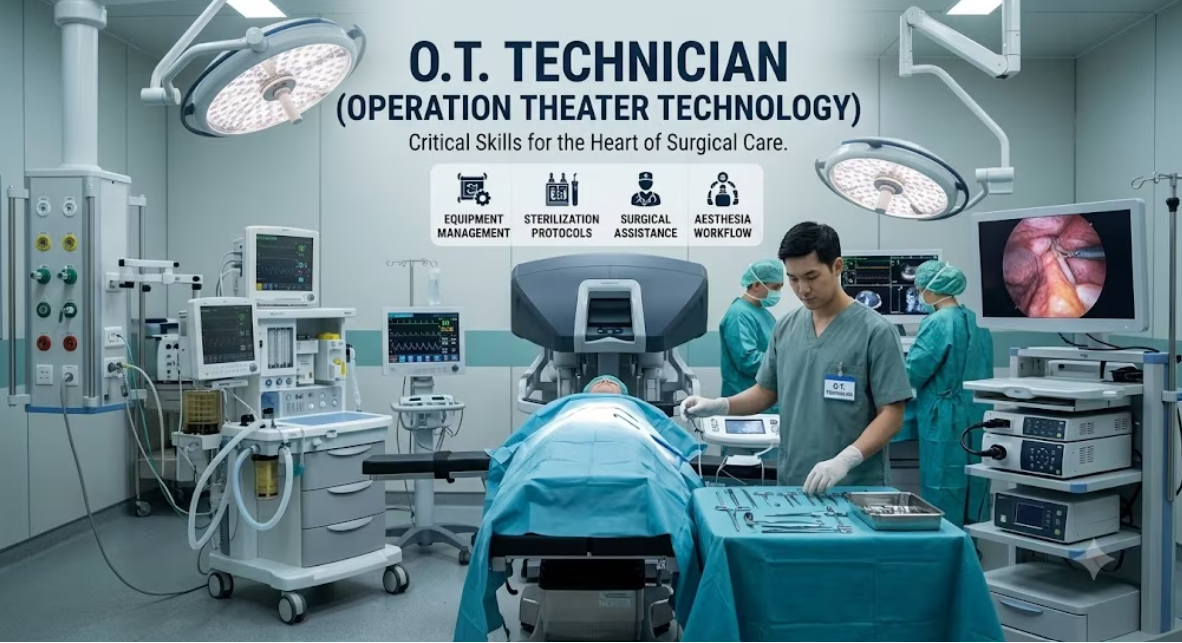
Operation theatre technology requires precision, discipline and strong awareness of sterile procedures. An O.T. technician assists the surgical team by helping prepare the theatre, arranging instruments, checking equipment and following infection-control protocols under appropriate supervision. Students searching for an O.T. Technician course in Pune should avoid several admission mistakes that can affect their learning and career readiness.
The first mistake is choosing a course without checking its complete name and awarding authority. Similar terms may be used for certificates and diplomas, but their duration, syllabus and acceptance can differ. Students should request written information about the qualification they will receive.
The second mistake is ignoring practical training. Operation theatre work cannot be understood through textbooks alone. Students need supervised exposure to theatre preparation, instrument identification, sterile zones, patient transfer procedures and equipment checks.
Before enrolling, ask whether the program teaches
- Surgical instrument identification
- Sterilisation and disinfection principles
- Aseptic techniques
- Operation theatre preparation
- Patient positioning awareness
- Basic anaesthesia equipment support
- Surgical consumable management
- Biomedical waste segregation
- Infection prevention
- Emergency-procedure awareness
- Documentation and inventory control
A third mistake is assuming that an internship is automatically included. Some institutes arrange practical exposure, while others provide guidance or require students to find placements independently. Candidates should understand who arranges the internship, where it may take place and how long it lasts.
Students also overlook the physical and emotional demands of operation theatre work. Technicians may need to stand for extended periods, maintain concentration and work around surgical procedures. People who are uncomfortable with clinical environments should consider these realities before joining.
Another common error is focusing only on course fees. An inexpensive course without equipment, practical demonstrations or structured assessment may offer limited value. At the same time, a high fee does not automatically indicate better quality. Students should compare what is included, such as uniforms, examination charges, laboratory use and clinical training.
Eligibility is another area that requires attention. Candidates should confirm the required school qualification, subject background and minimum marks. They should also check whether the course supports their intended employment or further education.
Students searching online for the Best O.T. Technician programs near me should use a practical evaluation method. A suitable program should be transparent about its curriculum, qualification, faculty, practical arrangements and assessment process. The institute should also explain the technician’s role accurately without making unrealistic career guarantees.
Pune and Pimpri-Chinchwad contain multispeciality hospitals, surgical centres and speciality clinics. Training in this regional healthcare environment can help students understand the standards expected in busy medical facilities. However, learners must still build dependable technical habits and professional conduct.
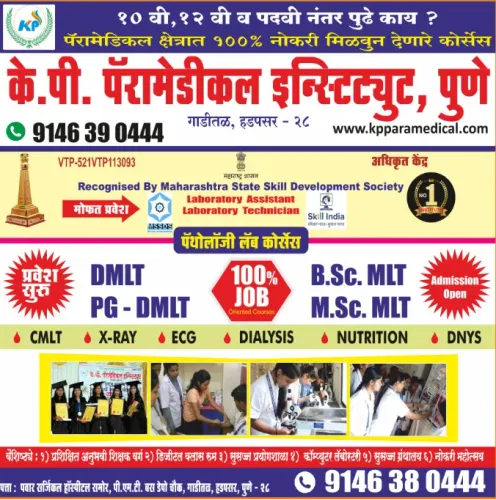
KP Paramedical Institute PCMC offers healthcare training for students exploring operation theatre roles. Prospective candidates can discuss the current O.T. Technician program, available facilities, admission criteria and practical components before applying.
Students should also avoid underestimating communication skills. O.T. technicians coordinate with nurses, surgeons, anaesthesia teams and support staff. Clear communication helps prevent confusion when instruments, equipment or supplies are required.
Confidentiality is equally important. Surgical cases involve private patient information that must be handled responsibly. Professional ethics should therefore be part of the learning process.
A strong O.T. Technician course should prepare students to understand procedures, not merely memorise instrument names. By checking recognition, practical exposure, teaching quality and clinical expectations, candidates can make a more informed admission decision and enter the program with a realistic understanding of operation theatre responsibilities.