

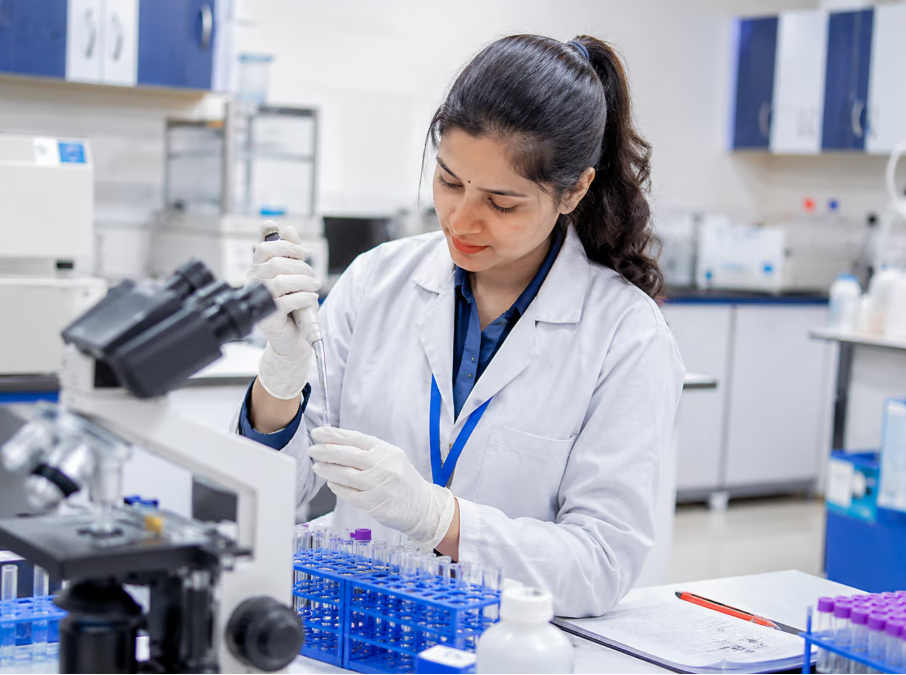
Medical laboratory professionals support healthcare by preparing and analysing samples that help qualified clinicians investigate health conditions. A DMLT course introduces students to laboratory procedures involving blood, urine and other biological specimens. For students searching for a DMLT course in Pune after completing the required school-level education, it is important to understand what the program teaches and what the profession involves.
DMLT commonly refers to Diploma in Medical Laboratory Technology, though the exact name, eligibility and curriculum may vary among institutions and awarding bodies. The program generally combines scientific concepts with practical laboratory procedures.
Subjects may include
- Human anatomy and physiology
- Clinical pathology
- Haematology
- Microbiology
- Biochemistry
- Sample collection and handling
- Laboratory equipment
- Sterilisation and infection control
- Quality-control principles
- Medical ethics
- Record maintenance
- Biomedical waste management
The course helps learners understand how specimens must be collected, labelled, stored and processed. Proper sample handling is essential because contamination, incorrect identification or unsuitable storage can affect laboratory results.
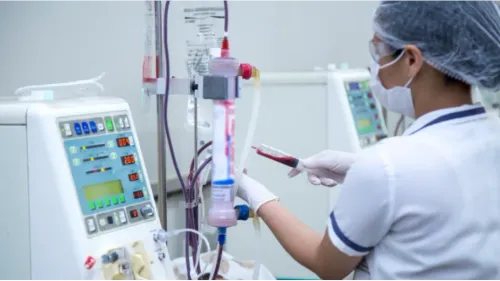
Students also become familiar with instruments such as microscopes, centrifuges and analysers, depending on the facilities and curriculum available. Training should explain both the operating process and the precautions required for each instrument. Simply learning to press buttons is not enough. A competent technician should understand specimen requirements, equipment care and basic quality checks.
Accuracy is one of the defining requirements of laboratory work. Technicians handle information that may contribute to important medical decisions. They need to follow established procedures, record observations carefully and report technical problems to the appropriate supervisor.
A DMLT course may appeal to students who enjoy biology, prefer structured technical work and can maintain concentration for long periods. Laboratory roles do not always involve continuous patient interaction, but communication remains important during sample collection, coordination with healthcare teams and documentation.
Students comparing DMLT programs in Pune should examine the following factors
- Course eligibility and duration
- Qualification-awarding authority
- Recognition or acceptance relevant to career goals
- Laboratory infrastructure
- Availability of practical sessions
- Faculty experience
- Internship or clinical exposure
- Assessment methods
- Fee structure
- Support for understanding employment options
Students should verify information in writing wherever possible. Course names can appear similar while differing in level, duration, curriculum and acceptance. A low fee or short duration should not be the only reason for selection.
After completing appropriate training, candidates may explore entry-level opportunities in pathology laboratories, diagnostic centres, hospitals, blood banks and research-support environments. Role availability depends on the qualification, practical experience and individual employer criteria.
Pune’s healthcare network includes diagnostic chains, independent laboratories, hospitals and specialist facilities. Students from Pune and other parts of Maharashtra may find that local study provides exposure to the standards expected in a busy urban healthcare setting.
KP Paramedical Institute PCMC offers paramedical programs for students interested in laboratory and diagnostic careers. Candidates can discuss the present DMLT curriculum, practical facilities, course approval details and admission requirements with the institute.
DMLT is not merely a quick route into healthcare. It is a technical program requiring discipline, scientific understanding and respect for patient information. Students who compare institutes carefully and take practical training seriously can develop a stronger foundation for laboratory responsibilities and future educational progression.