

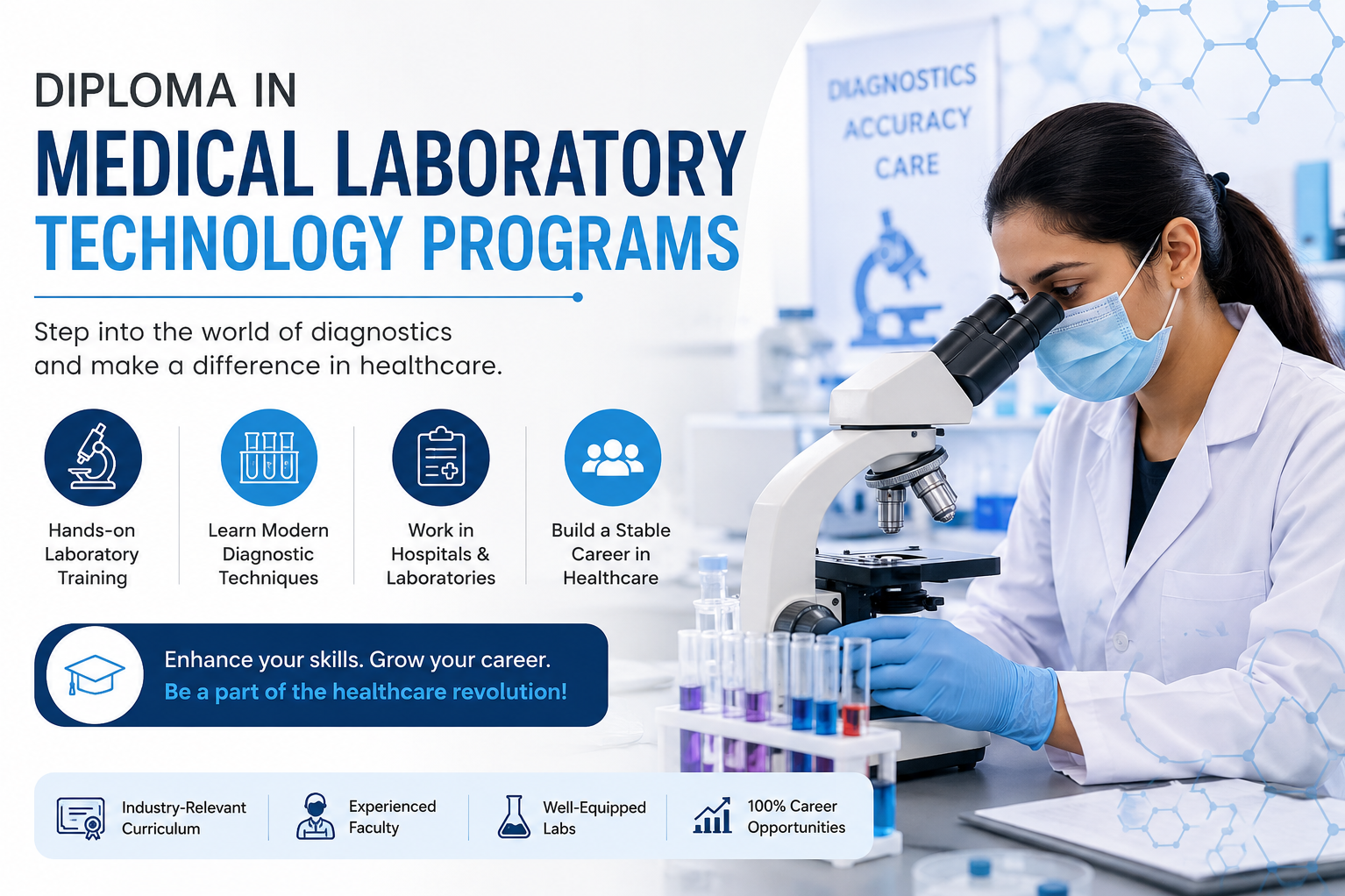
A healthcare career does not always begin with a long undergraduate degree. Some students prefer a focused diploma that introduces them to essential diagnostic laboratory responsibilities and provides practical exposure to the working environment. Diploma in Medical Laboratory Technology programs are designed for learners considering this type of career pathway.
Commonly known as DMLT, the program introduces laboratory procedures used to support medical testing. Students in PCMC who are comparing paramedical options can explore DMLT education at KP Paramedical Institute while carefully reviewing the course structure, academic requirements and practical components.
What Does a DMLT Program Cover?
DMLT programs generally combine basic medical science with laboratory-oriented learning. Students are introduced to how clinical samples are collected, processed, examined and documented under appropriate supervision.
Depending on the curriculum, areas of study may include:
- Human anatomy and physiology
- Basic pathology
- Clinical biochemistry
- Haematology
- Microbiology
- Sample collection methods
- Laboratory instrument handling
- Infection-control practices
- Biomedical waste management
- Laboratory documentation
Program content can differ between institutions and awarding authorities. Applicants should therefore obtain the latest syllabus instead of assuming that every DMLT course provides identical training.
What Does a Medical Laboratory Technician Do?
A medical laboratory technician supports diagnostic processes by carrying out assigned technical tasks according to established procedures. The work may include receiving specimens, preparing samples, assisting with routine tests, maintaining laboratory records and keeping the work area organised.
The role requires several professional qualities:
- Careful observation
- Consistent hygiene practices
- Responsible sample handling
- Ability to follow instructions
- Accurate recordkeeping
- Respect for patient confidentiality
- Comfort working with biological material
Laboratory technicians do not independently diagnose medical conditions. Their work supports qualified laboratory and healthcare professionals by helping generate properly processed diagnostic information.
Who May Find DMLT Suitable?
A DMLT pathway may appeal to students who are interested in biology and want skill-based education connected with healthcare. It can also suit learners who prefer practical exercises alongside classroom instruction.
Before applying, students should consider whether they are comfortable with:
- Working in a controlled laboratory environment
- Handling blood and other clinical samples
- Following repetitive but important procedures
- Standing for parts of the working day
- Maintaining concentration during technical tasks
- Learning scientific terms and basic calculations
Interest in healthcare alone is not enough. Patience, accuracy and discipline are equally important for laboratory-based work.
Understanding Career Possibilities
After completing a valid and appropriately recognised diploma, candidates may apply for suitable roles in diagnostic laboratories, hospitals, pathology centres, blood banks and other healthcare-support settings. Job titles and permitted responsibilities depend on the qualification, employer policies, experience and applicable regulations.
A diploma can also serve as a foundation for further education where an eligible academic progression route is available. Students planning to pursue advanced studies should confirm whether the diploma they select is accepted for their intended next qualification.
Local Relevance for Learners in PCMC
The healthcare network across PCMC and the wider Pune region includes hospitals, clinics and diagnostic centres that depend on trained support staff. This makes laboratory technology a relevant field for local students, although completion of a course does not automatically ensure employment.
Practical competence often matters during recruitment. Students should look for a training environment that explains procedures clearly and provides meaningful opportunities to practise under supervision.
Verify These Details Before Admission
A responsible course decision begins with clear information. Ask for written details about:
- Eligibility and admission requirements
- Course duration and attendance rules
- Awarding or examining authority
- Recognition and validity of the qualification
- Practical laboratory schedule
- Internship or clinical exposure
- Assessment method
- Total course fees
- Certification process
Diploma in Medical Laboratory Technology programs can provide a focused introduction to diagnostic laboratory work. For students in PCMC, the right choice is one that combines transparent academic information with sufficient practical learning and realistic career guidance.