

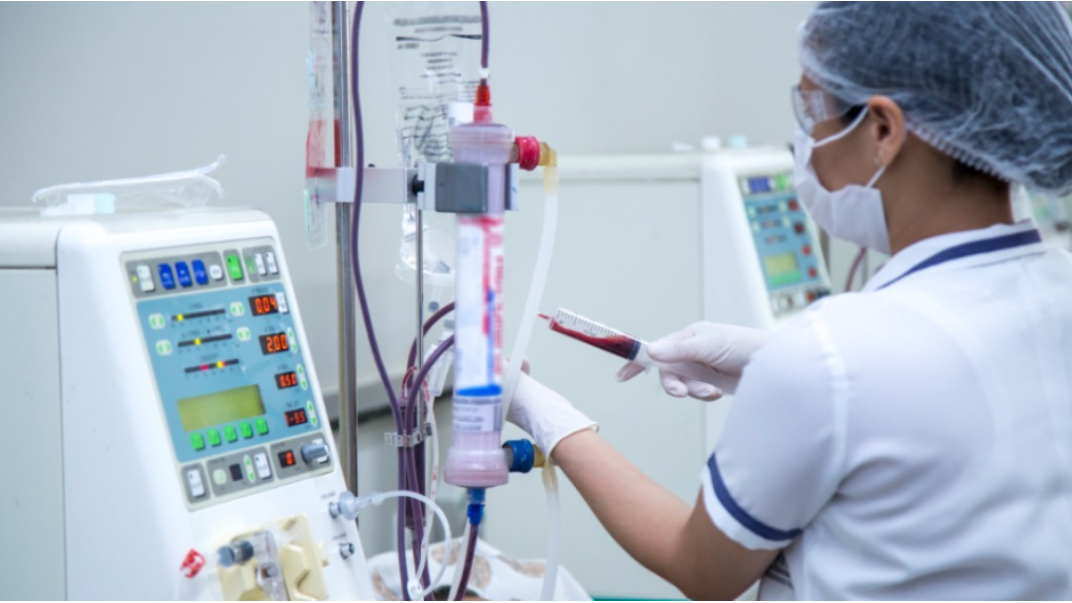
Dialysis is a specialised procedure used to support patients whose kidneys cannot adequately filter waste and excess fluid from the blood. A dialysis technician works as part of a supervised healthcare team and assists with equipment preparation, patient monitoring and safety procedures. Students looking for a Dialysis course in Pune should understand both the technical demands and the patient-care responsibilities involved.
Training generally begins with the urinary system and the basic functions of the kidneys. Students learn why dialysis may be required, how dialysis equipment works and what steps are involved in preparing for a treatment session. Depending on the course, learners may be introduced to haemodialysis principles, water-treatment systems, vascular access awareness and infection-control practices.
Important areas of study may include
- Anatomy and physiology
- Kidney function and renal disorders
- Principles of dialysis
- Dialysis machine components
- Equipment preparation
- Dialyser and tubing setup
- Vital-sign monitoring
- Fluid-balance concepts
- Infection prevention
- Biomedical waste management
- Emergency-response awareness
- Patient communication and documentation
Dialysis patients may attend treatment sessions regularly over an extended period. This makes empathy and consistent communication especially important. Technicians often interact with individuals who are physically tired or emotionally concerned about their condition. Professional behaviour, patience and respect can improve the treatment experience.
Safety is central to dialysis training. Students need to understand why sanitation, equipment checks and accurate documentation matter. They should learn to follow the supervising clinician’s instructions and report unusual readings or patient discomfort promptly. The technician’s responsibility is supportive and procedural, while clinical decisions remain with qualified medical professionals.
Before choosing a Dialysis technician course, students should examine whether the program offers meaningful practical exposure. Equipment familiarity cannot be developed through theory alone. Candidates may ask
- Does the course include supervised practical sessions?
- What type of dialysis equipment is available for training?
- Is clinical observation or internship support included?
- Who conducts the technical classes?
- How is practical competency assessed?
- What qualification is awarded?
- What are the admission and attendance requirements?
- Is the program suitable for the candidate’s intended career path?
Students should also consider the emotional nature of renal care. Unlike some diagnostic procedures that involve brief patient interaction, dialysis may involve recurring contact with the same patients. A technician needs to remain attentive throughout the process and maintain professional boundaries.
Potential workplaces include hospitals, renal-care units, dialysis centres and multispeciality clinics. Employment requirements differ among organisations, so candidates should confirm whether the qualification they are considering aligns with the requirements of healthcare employers in Maharashtra.
Pune is home to hospitals and specialised care facilities serving patients from across the city and nearby districts. For students in Pune and Pimpri-Chinchwad, local training may make it easier to understand the operational environment of urban healthcare institutions.
KP Paramedical Institute PCMC offers training options for learners interested in allied healthcare roles. Students considering its Dialysis program should review the current syllabus, practical arrangements, course duration and certification terms before enrolment.
Dialysis technology can be meaningful for students who want a patient-facing technical career and are prepared for disciplined clinical routines. It requires concentration, compassion and careful adherence to safety protocols. Choosing a course with structured theory and supervised practical learning can help students build a realistic foundation for renal-care support.